

Fightmaster is So Hot
On longing, lighting, and arriving most completely in the work.


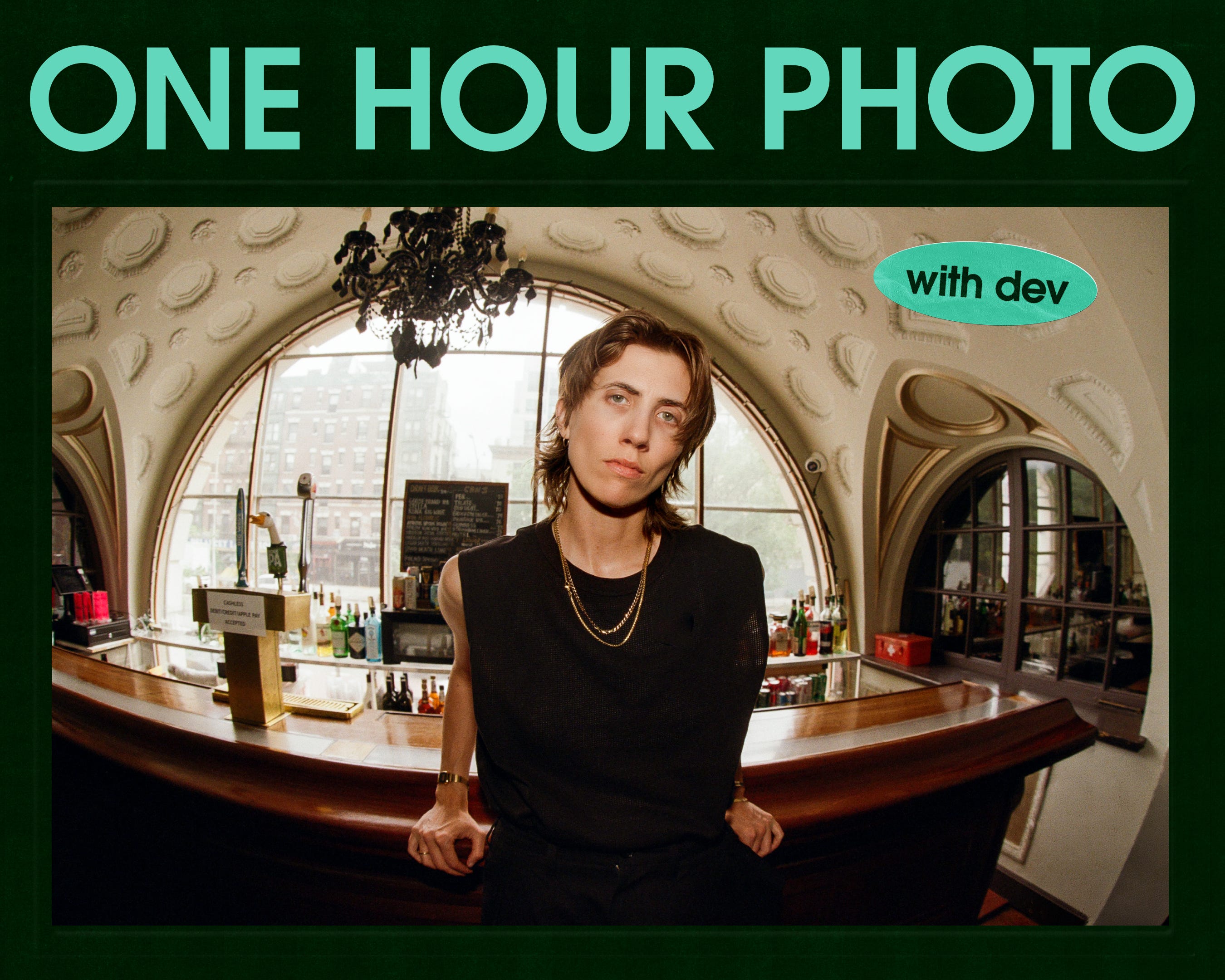
I met E.R. Fightmaster in the Bowery Ballroom green room a few hours before their sold-out show. Outside, a line had already started forming. Inside, the venue was empty except for soundcheck spilling from the stage.
Fightmaster was immediately warm, greeting me with a handshake. We talked while I set up, then walked through the empty venue and found a corner to shoot and chat.
I was struck by how easy they were to be around: charming, curious, and genuinely engaged. They asked me as many questions as I asked them. There was a looseness to the conversation that felt rare for strangers.
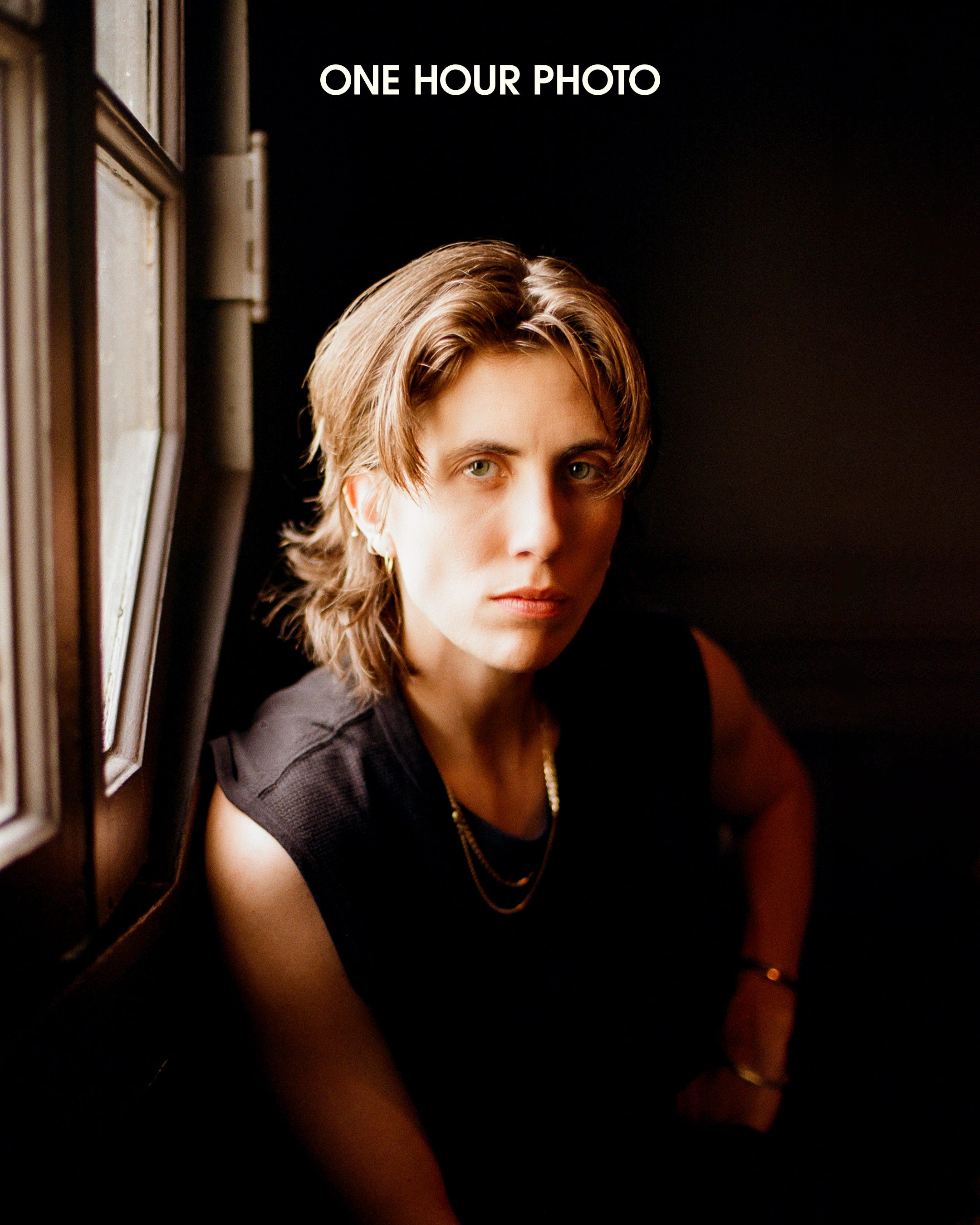
When I asked what it felt like to be there, with soundcheck happening below us and people already waiting outside, Fightmaster told me their brain felt “trifurcated.” There was the band, the logistics, the performance ahead. But on stage, they said, everything narrows. “That’s the thing I’m here for.”
How was making the setlist for this tour? Did that come easily?
We lucked out because we were opening for Lucy Dacus before the headline portion of the tour, so we had time to try out the flow of the show.
Now, we’re not giving people a short show, but people keep saying it feels short. I think it feels short because it flows nicely. It’s clipped and tight. I cut a lot of the slower stuff for this tour.
What does it feel like to be here, with soundcheck happening for your own show in the background?
I’m feeling very ADHD. My brain feels trifurcated. There are so many places I have to be mentally, and I’m working really hard on being present.
The only time I feel really focused is when I’m on stage. That’s the thing I’m here for. When I’m performing, I’m not thinking about merch or budgets or whether everybody’s comfortable. I’m living for the performance.
Which song off this album came easiest for you to write?
There’s a song called “All Fours.” It was one of the first songs I taught myself how to produce. You can hear these little choices in it that feel like something you would do as a first-timer, but there’s something wonderfully juvenile about that.
It feels like the easiest one I made, maybe because I had no judgment of myself yet. There’s a freedom in that — just exploring before you know enough to stop yourself.
I feel that way about photography, I’m self-taught. I took a lighting class last year and learned a lot, but I look back at old work and there’s this physicality in it that I don’t always see in the newer work. It’s like you develop taste before you develop talent. Do you feel that way about music?
I do. And I think part of that is the queer thing. There’s so much longing in watching other people and trying to figure out where you fit.
I really love “Glide.” What was making that video like? How did you concept it?
My team texted me after I sent them the song and said, “Great, now send us the music video when you get a chance.” And I was like, “Hmmmmm.”
This was maybe two weeks before the release. So I called Anu Valia, who I worked with on Shrill. She directed me on that show, and we had such an easy time together. I told her, “You can say no to this, this is insane, but I need to make a music video in three to ten days.”
I told her my favorite music video of all time is Fiona Apple’s “Criminal,” and I wanted to make a queer version of it. In that video, she’s waking up from an orgy, everyone in these compromising positions. I wanted to take all of that aesthetic and sexy energy, but flip the power. Make it feel like everyone is there because they want to be there.
The funny thing was, Anu was like, “That’s crazy. I recreated that video shot-for-shot in film school.”
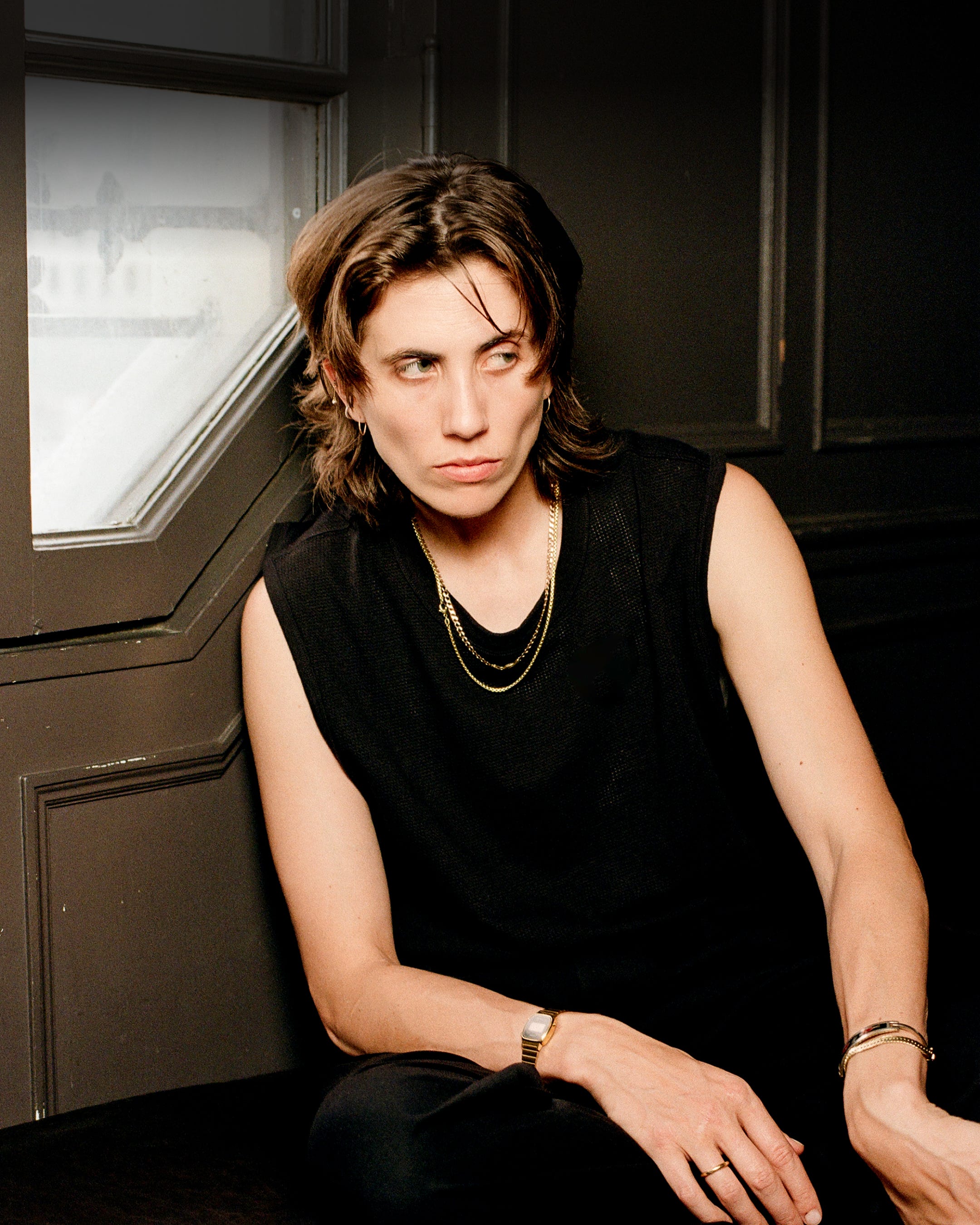
Camera guy to camera guy, the Fiona Apple video is incredible because of the spotlight. There’s something about it that feels perverted — like ’70s porn lighting.
How did you make yourself feel comfortable looking so seductive on camera?
I’m an actor, so I fully needed a storyline. I knew I was going to feel so cheesy staring at the camera for twelve hours trying to be horny.
The narrative we landed on was: You know when people look in the mirror and say the boogeyman’s name three times? What if, when they say “glide, glide, glide” at the beginning of the song, I’m who gets conjured?
Who came up with the conjuring idea — was that you?
Yeah. And then once we had it, Anu just built on it. The first shot of me is coming out of the red bathtub, and I’m drying off as the video goes on, and then I’m re-submerged at the end. It became this horny haunting.
Where did you look for inspiration before you had queer icons?
Someone asked me in another interview, “Who were your queer icons growing up?” And I was like, we didn’t have those. If they were there, I didn’t see them, and my parents weren’t showing them to me.
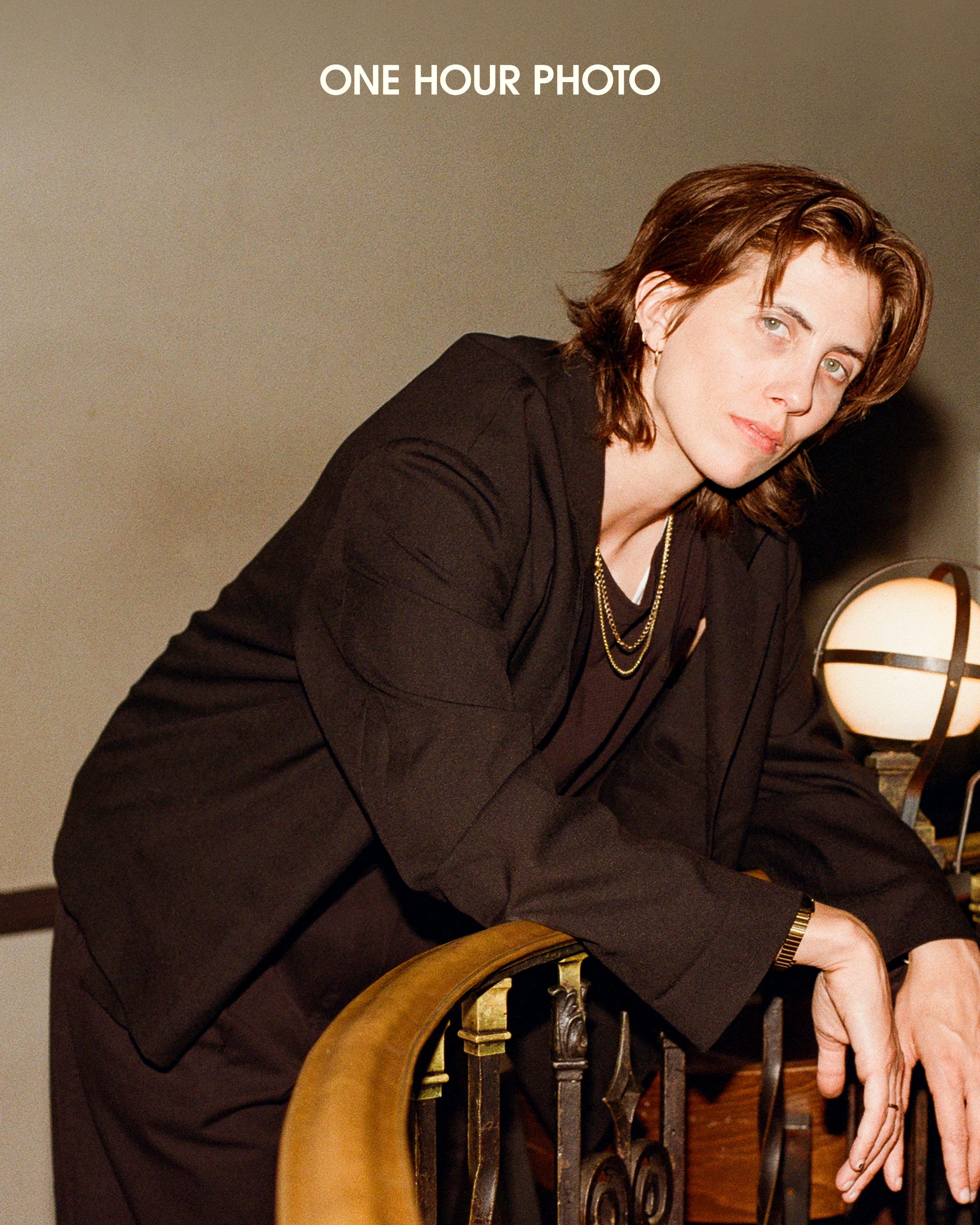
Honestly, I look back and the figures that stick out in my brain were the men in Armani perfume ads. I was like, “Oh my god, they’re so suave. They’re so cool.” Even now, as an adult, I can see how much of my actual style is built on those perfume ads I had on my bedroom wall.
You said when you think about influences, you think about your parents. What do you mean?
I don’t think I give my parents enough credit for their gender queerness. My mom was six feet tall, my dad was 6’3”, and when I was growing up they had the same haircut. My mom was better with math and money, and my dad was the one who cooked.
I had a very genderqueer experience growing up, even if nobody was calling it that. They never talked about it. My dad never said stupid shit like, “Your mother emasculates me.” My mom wasn’t complaining about not being treated like a princess. They were real peers.
Your parents sound like they really had something figured out.
Yeah, and my brother got it too — he immediately married a fantastically smart wife who’s going to run his life forever. He gets it.
↓ UNLOCK FIGHTMASTER’S JUICY TIDBIT FOR $5 ↓
Fightmaster talks no TV, tour anxiety, and Lucy Dacus book recs...
Developed and scanned in partnership with Nice Film Club
Shot at Bowery Ballroom
 | A guest post by
|